About the experiences of designers living in 2022
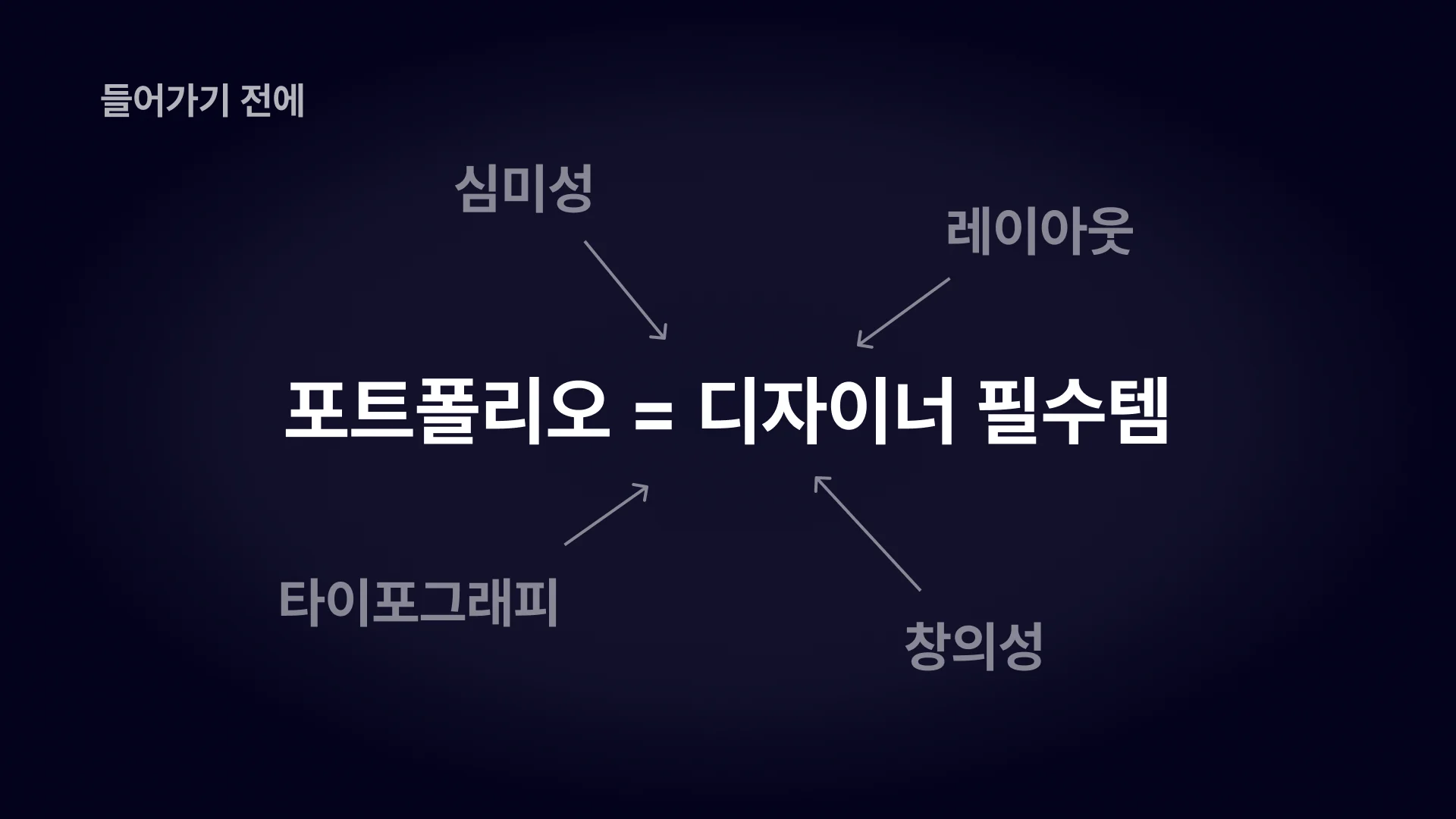
Traditionally, design often refers to the final visual outcome that the customer sees. Therefore, when talking about what design is, we cannot talk about aesthetics, layout, typography, creativity, etc. Even today, most companies and people give priority to formative and visual expression abilities when hiring designers. It is common to verify these visual capabilities through a portfolio when applying.
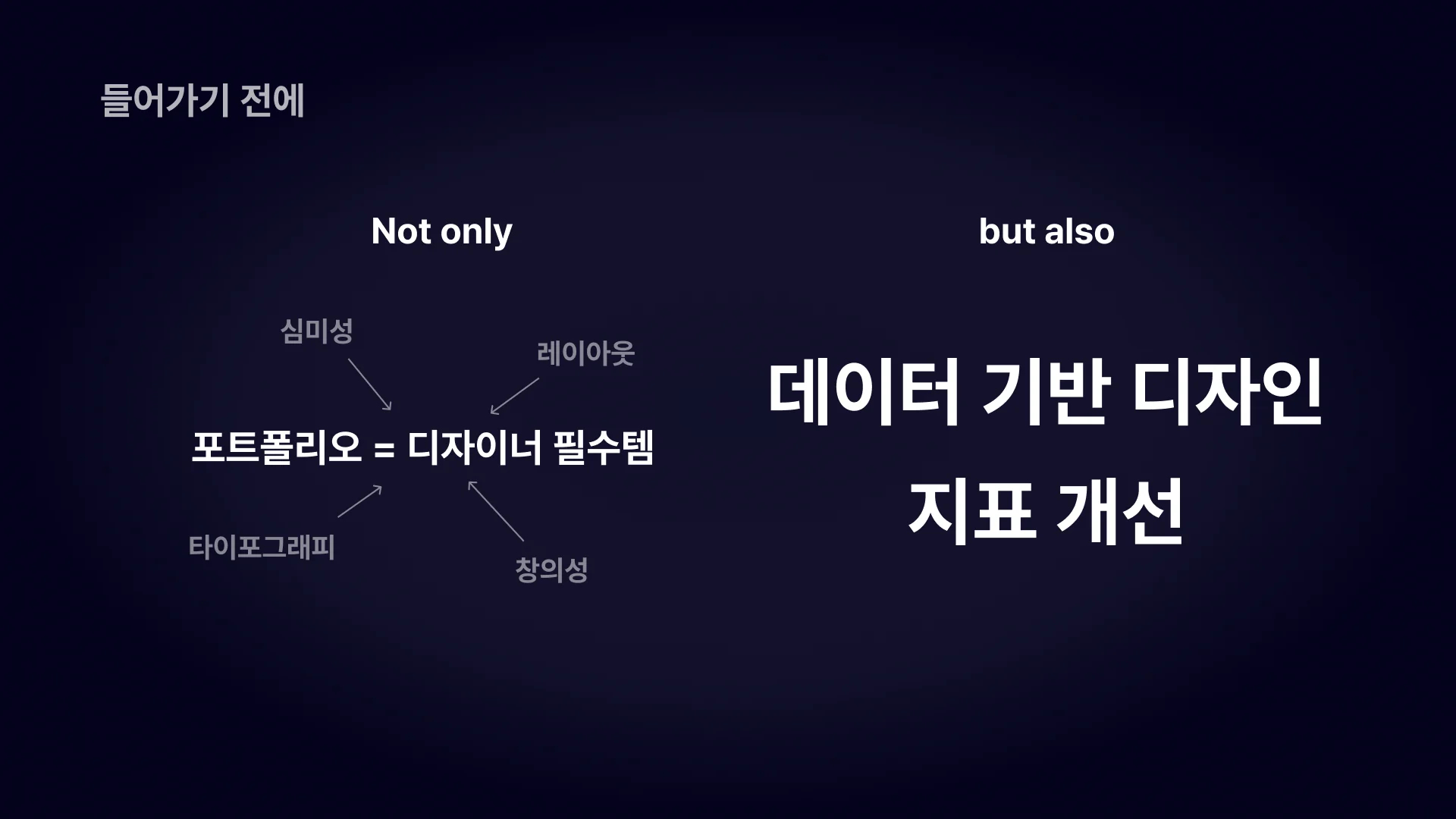
However, these days, I feel that IT designers are being asked to have more diverse capabilities in addition to visual expression skills. In particular, one of them seems to be data-based design, which we will cover today, and the ability to improve indicators through this.
I don’t think the essential meaning of ‘data’ has changed much from before to now. But why is data so important these days? There may be various interpretations, but I think the dramatically improved accessibility to information is the most important factor.
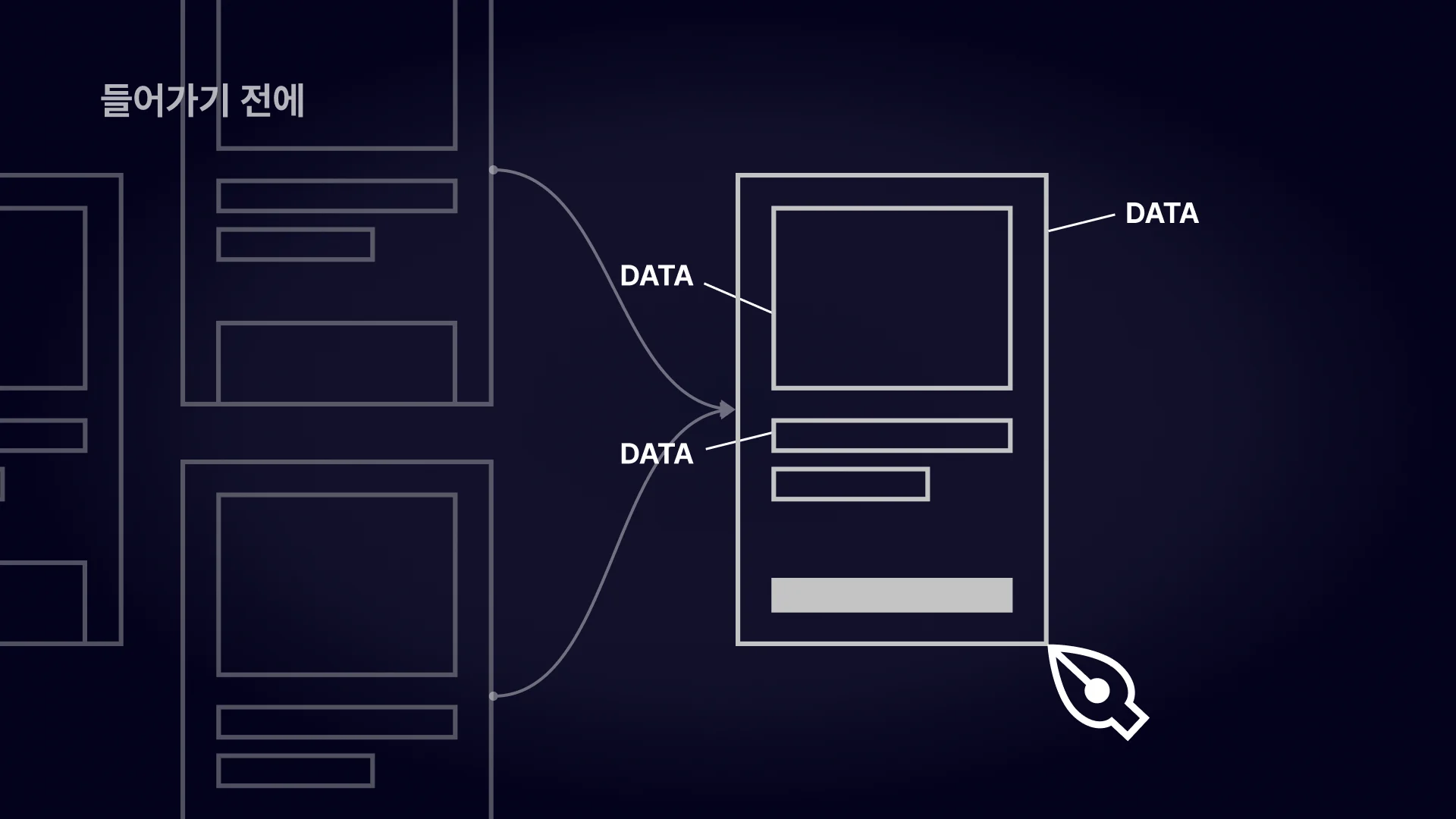
Recently, anyone can access the desired data easily and from various angles, and this also applies to designers. In particular, designers who understand the final screen and flow are able to understand and develop their designs from a more holistic perspective with data.
What is data?
First impressions of data
As we approach 2022, the importance of data seems to be increasingly emphasized in all roles, including designers. Why? To think about why data is becoming important, it would be good to first define what data is. What does the word ‘data’ mean? These are the keywords that come to mind when I hear the word data.
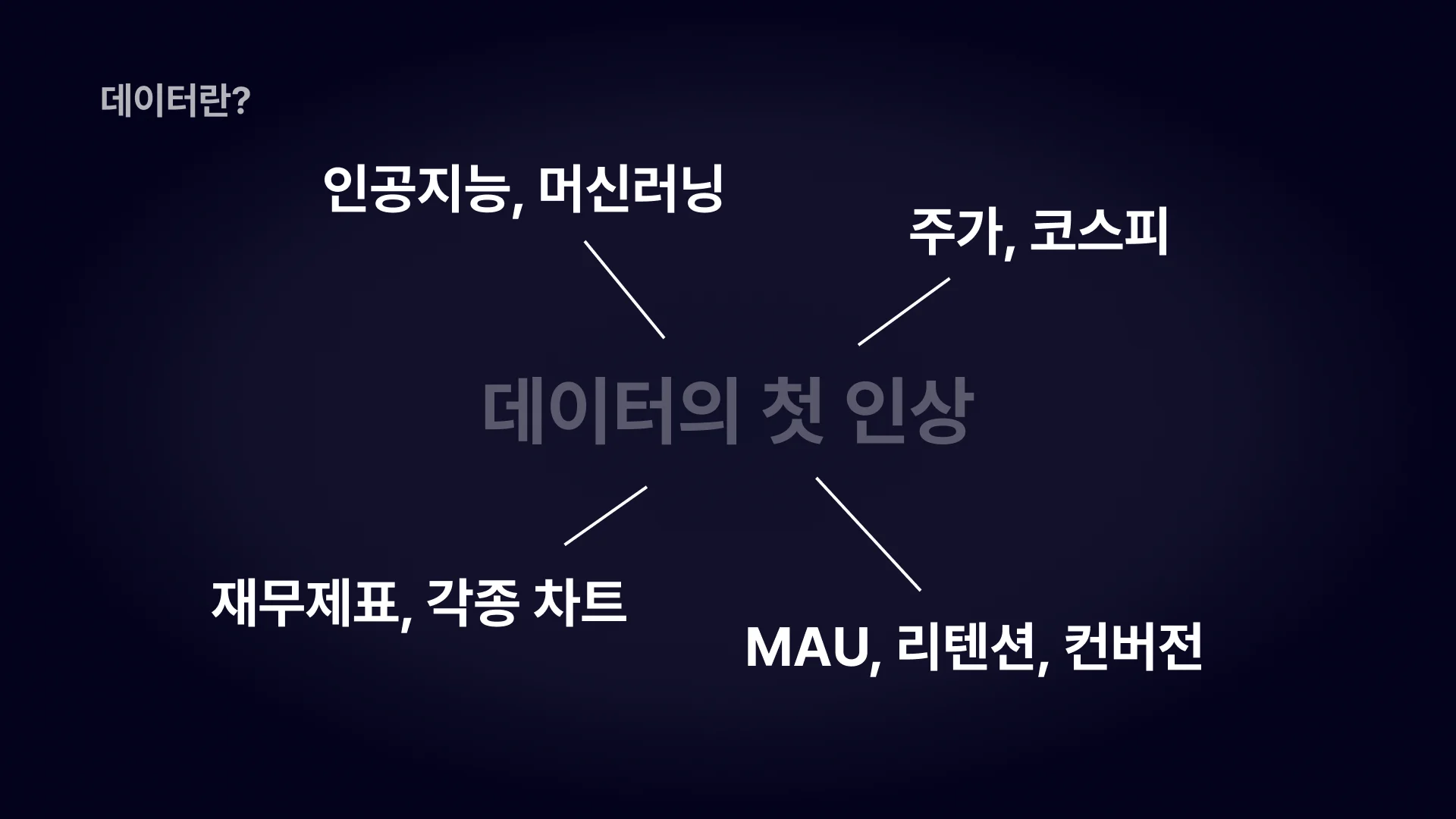
It is said that these days, designers must create hypotheses based on data and improve indicators. However, to me, these keywords seemed very complicated and difficult to understand, and I had no idea what on earth I could do as a designer based on data. (Actually, I still can't figure it out, it's very difficult)
So I decided to keep it as simple as possible. This is because I thought it would be more accurate and easier to use if I started with a level that I could understand rather than using such large keywords (I may have kept it simple, but it took quite a while to look at data in daily life, and I think I went through a lot of trial and error during that time). To better explain the data I'm looking at, I've prepared several everyday examples that I didn't even recognize as data when I started my career. Personally, I think that seeing the world from this perspective made design a new and more enjoyable experience.
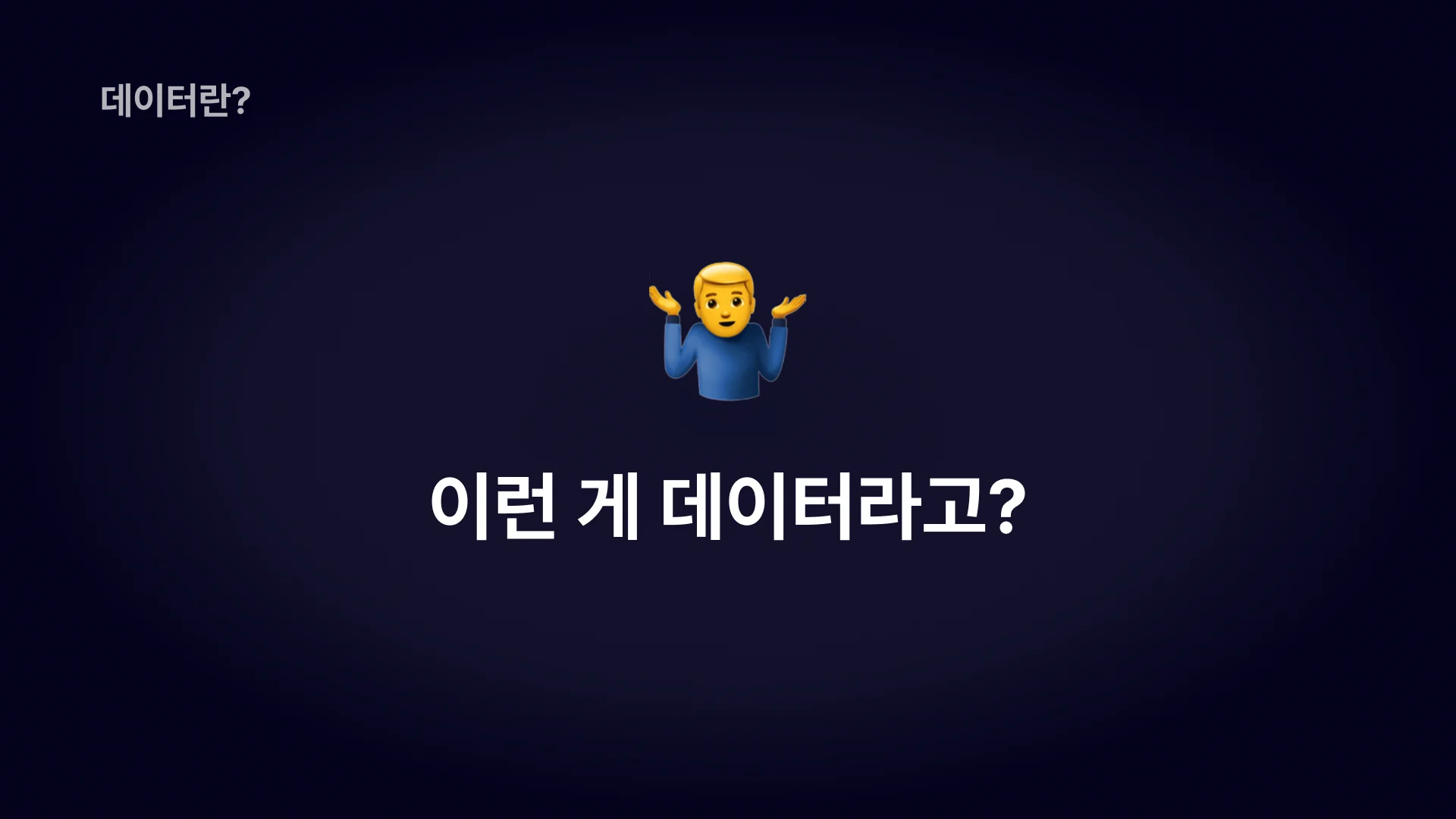
Moreover, it turned out that data seemed to have always been around me. When I thought about what data was closer to me, I began to see a lot of data in my daily life. Let’s look at examples of data in everyday life that I discovered.
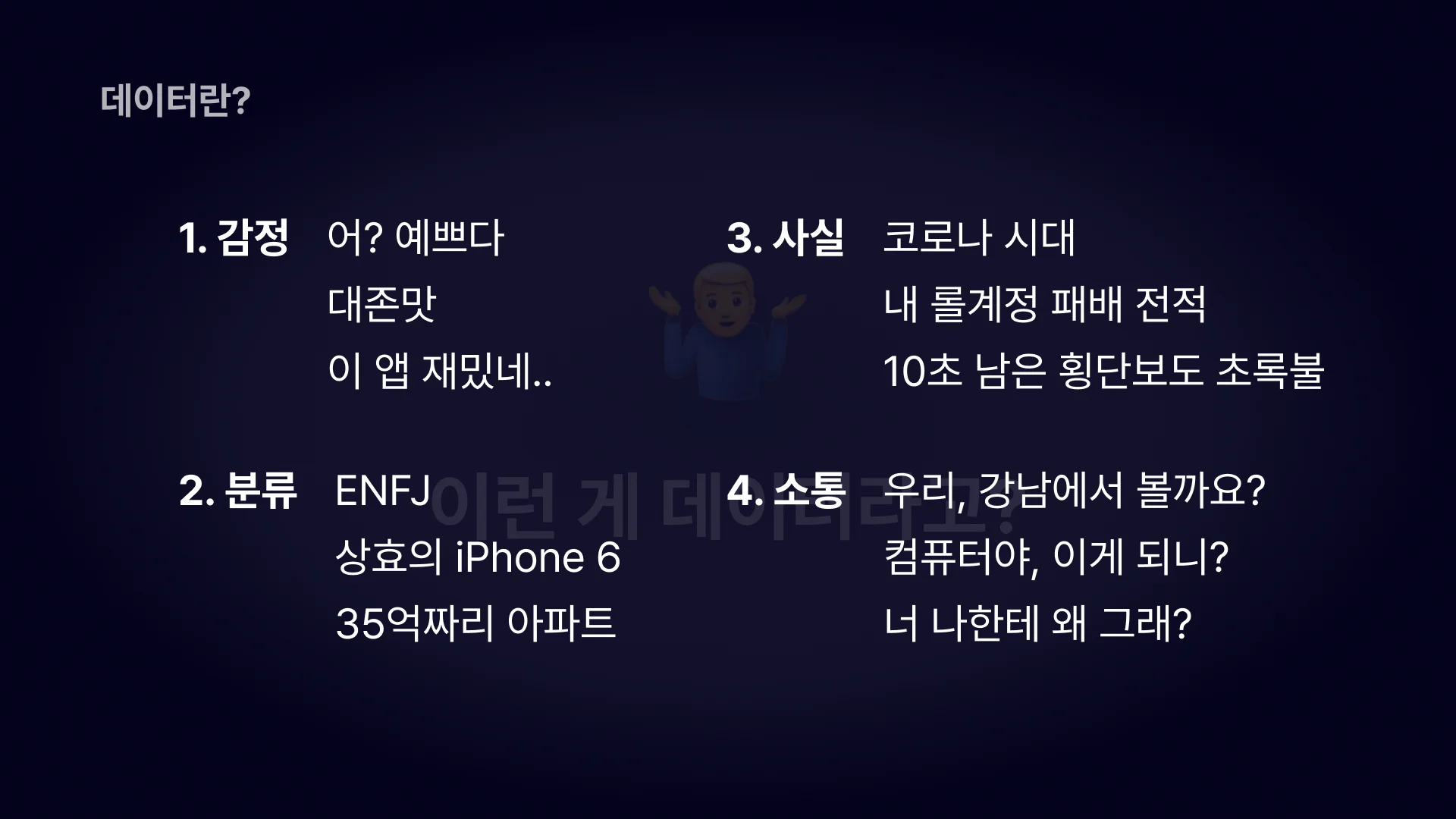
As I thought about it this way, I came to recognize data in various cases in everyday life around me.
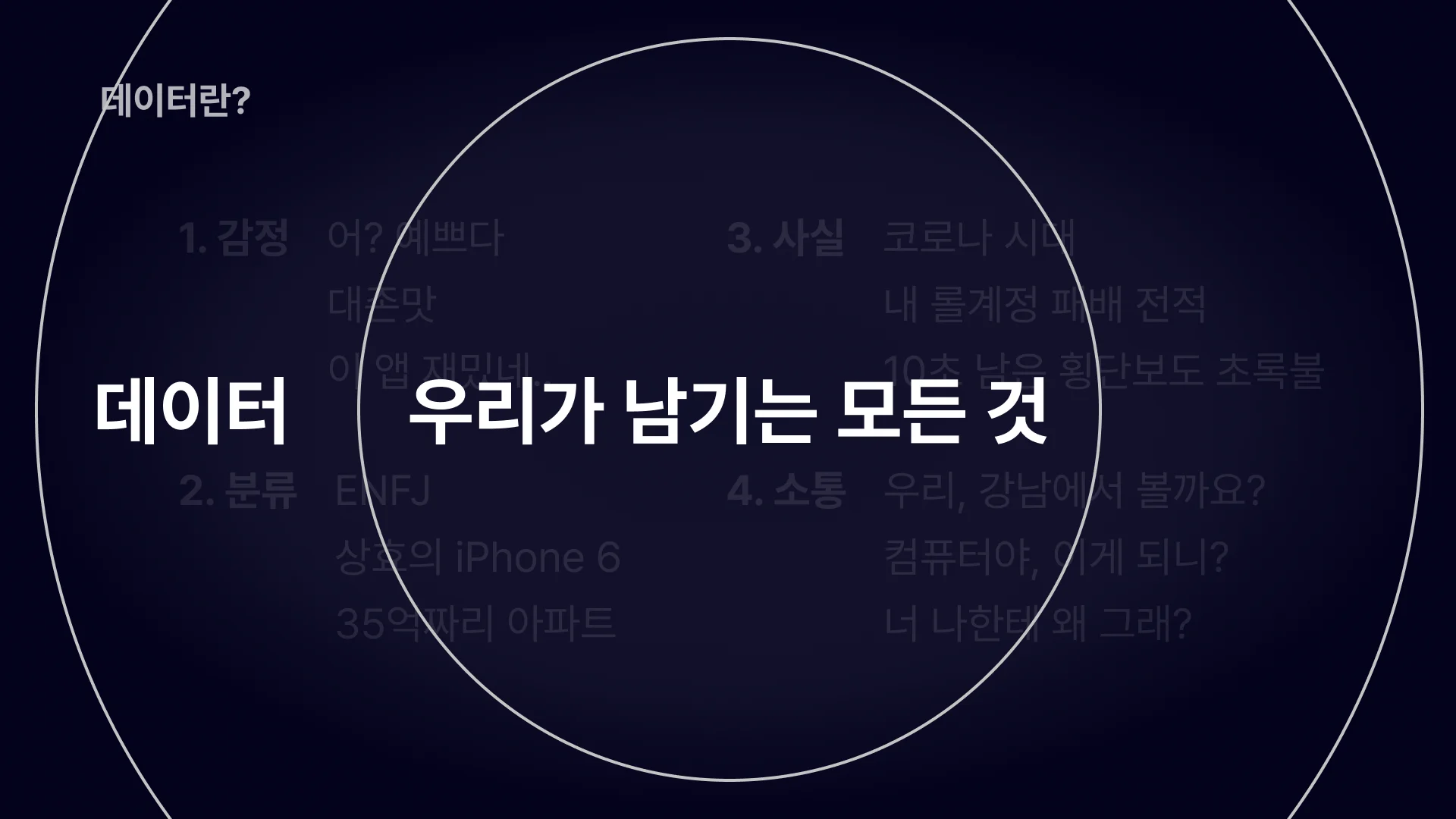
As I connected the properties of data with examples, I came to think that ‘everything we leave behind’ is included in the large category of data. Even if it's not financial statements or key indicators. Like this, there was already a lot of data around me.
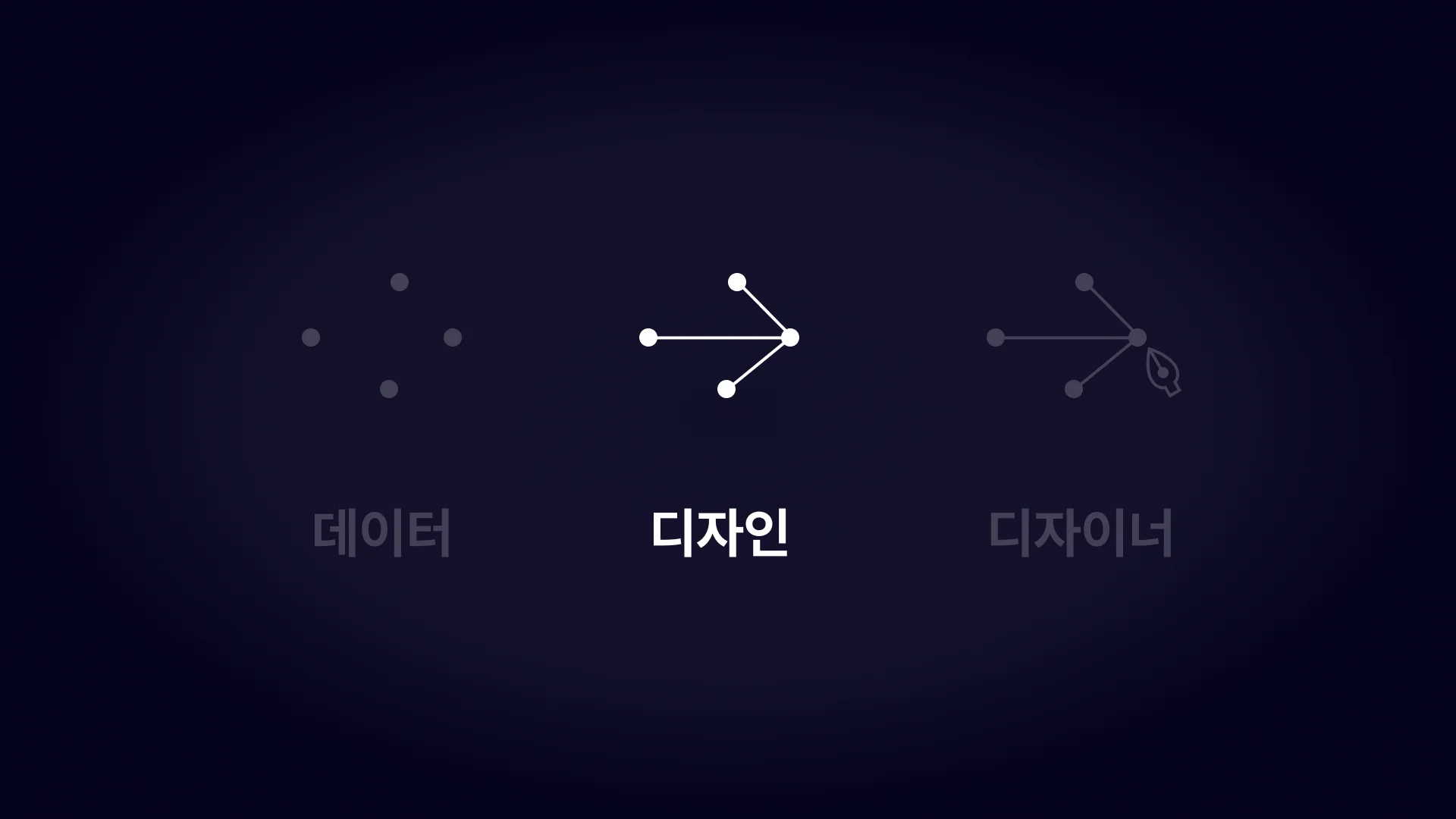
What is design?
As a product designer, I contribute to the visual elements, layout, and actual implementation of the UI.
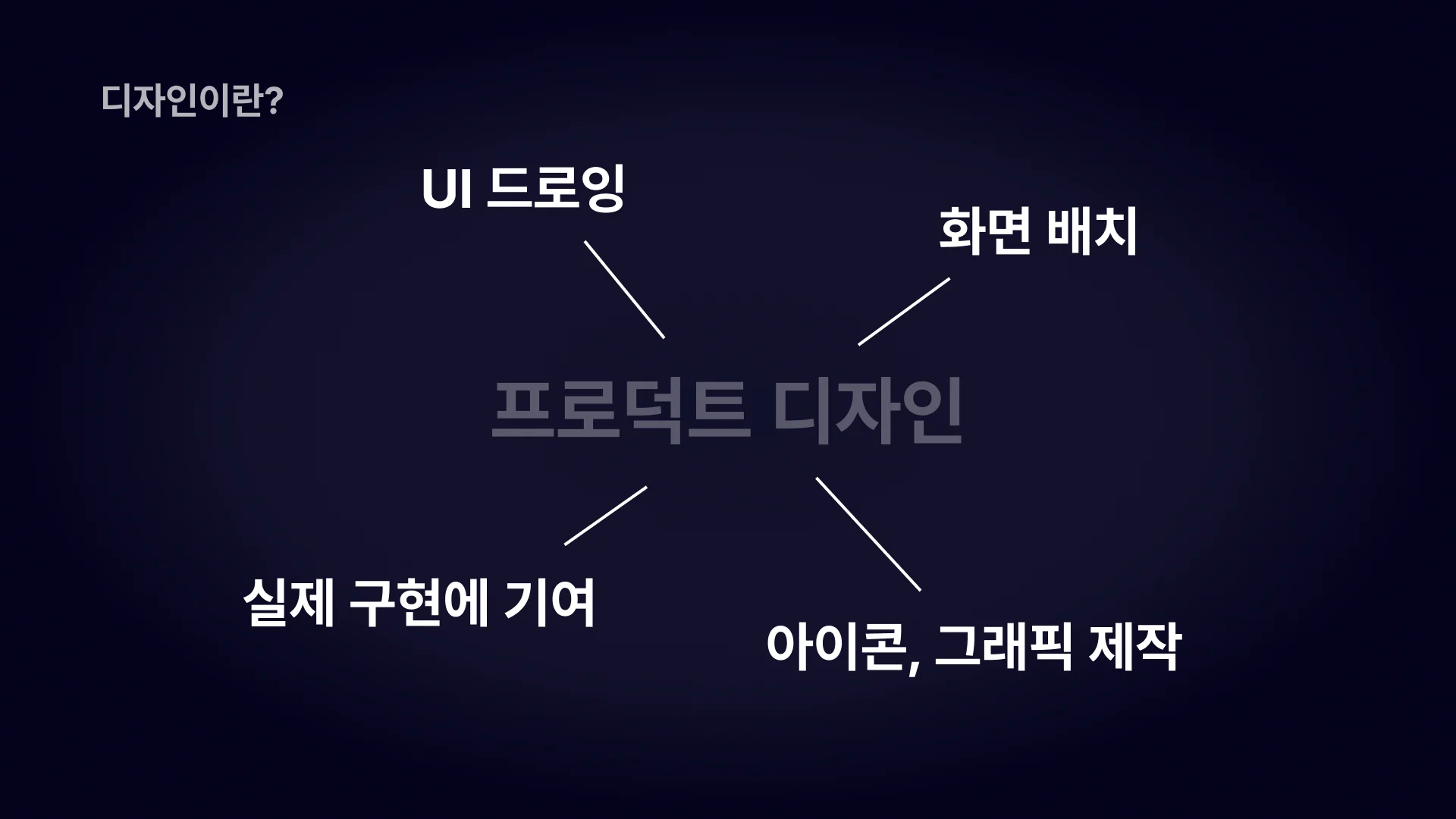
But why am I, as a designer, doing this? Designing a better customer experience through these tasks is the biggest role, and the ability to create aesthetic/consistent UI drawing or graphics is a necessary means to do this well.
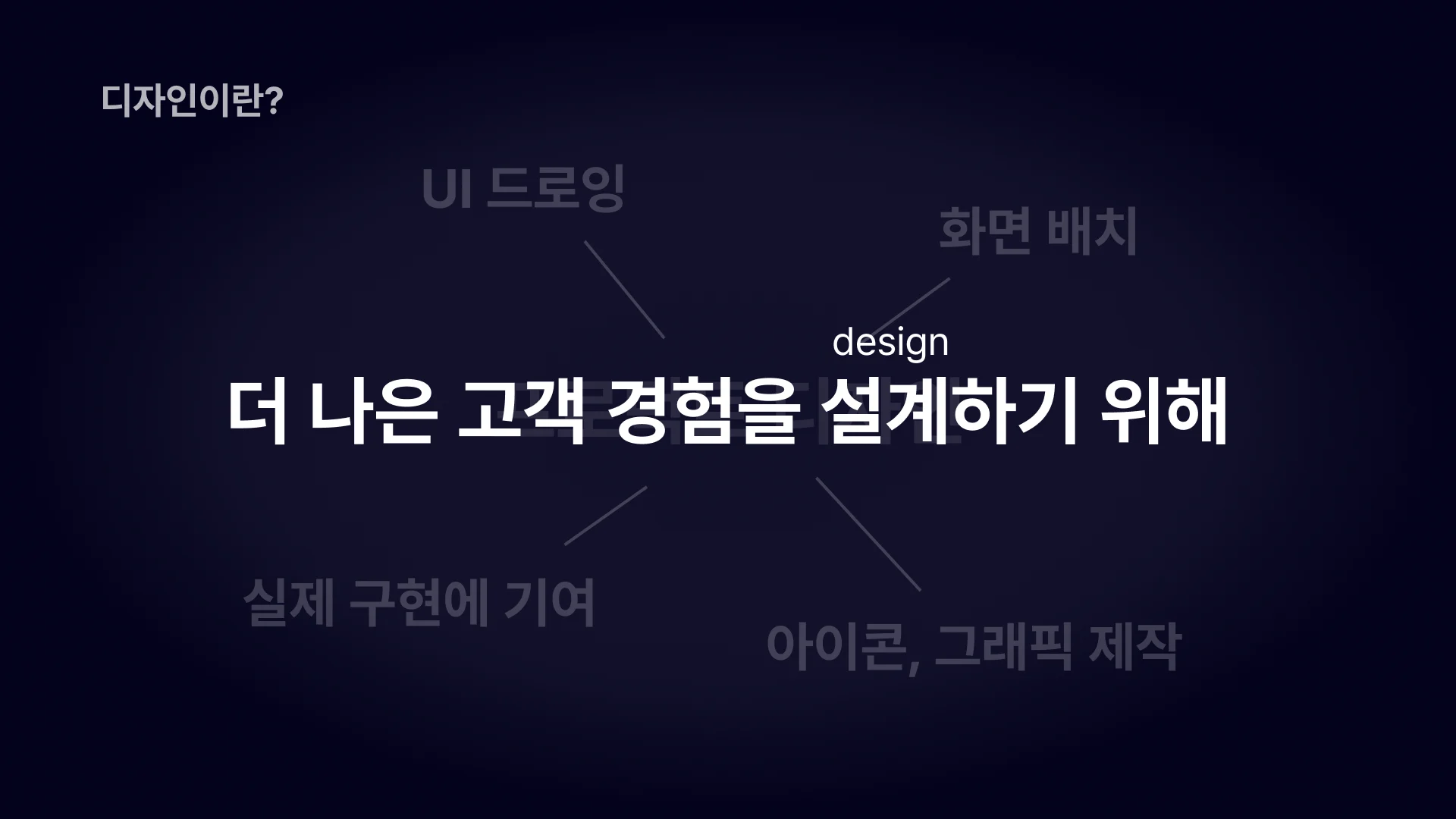
What relationship does this process have with data? I believe that the first design (a.k.a. design) can be done by selecting the necessary data and turning it into meaningful information.
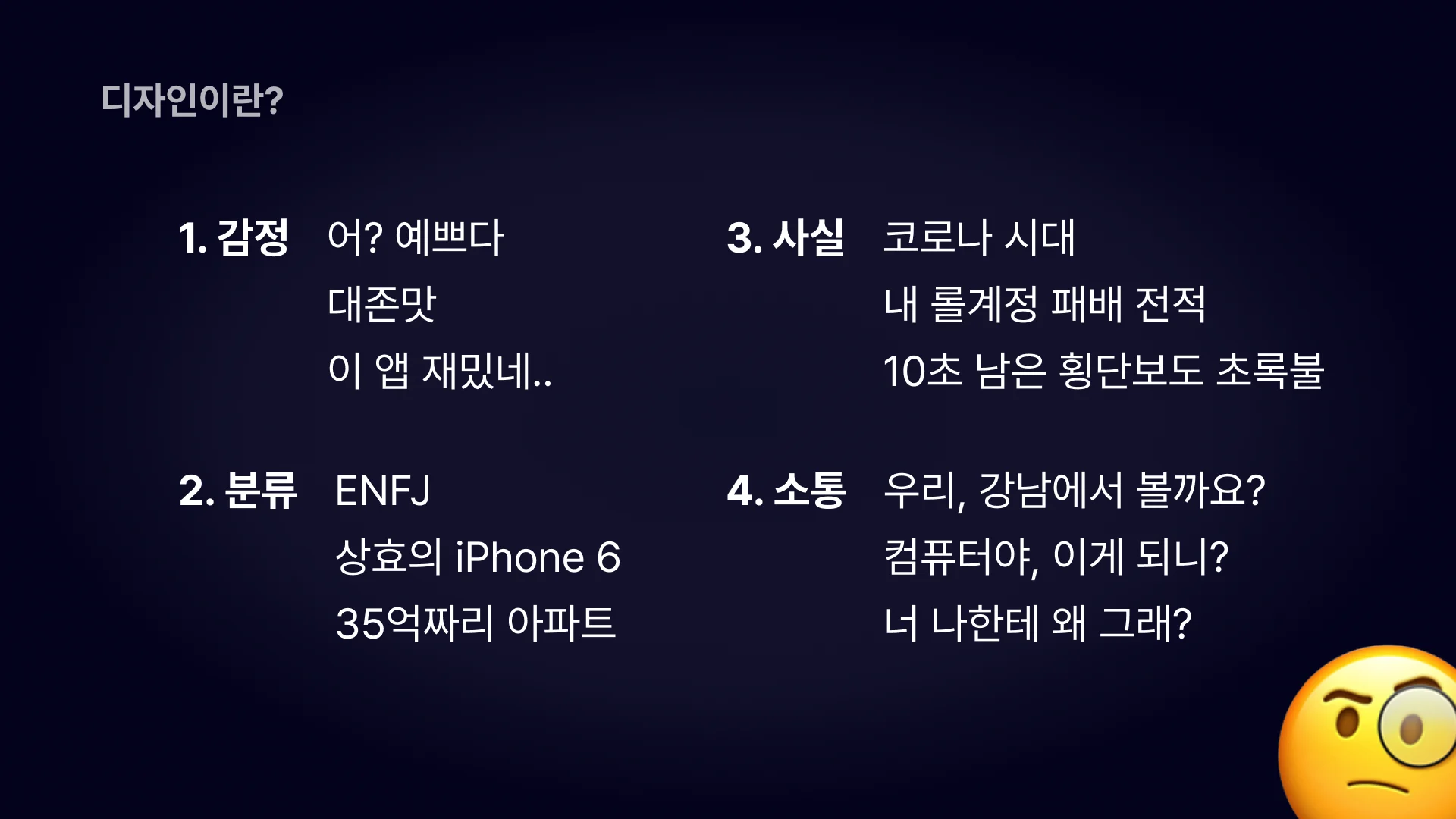
Data-driven design?
So let's go back to the example data we looked at earlier. Is this all useful data? Maybe so, maybe not. Because certain data / under certain conditions / will be meaningful information / to someone / at a certain time. Let’s apply these four conditions to the case of ‘Daejonmat’.
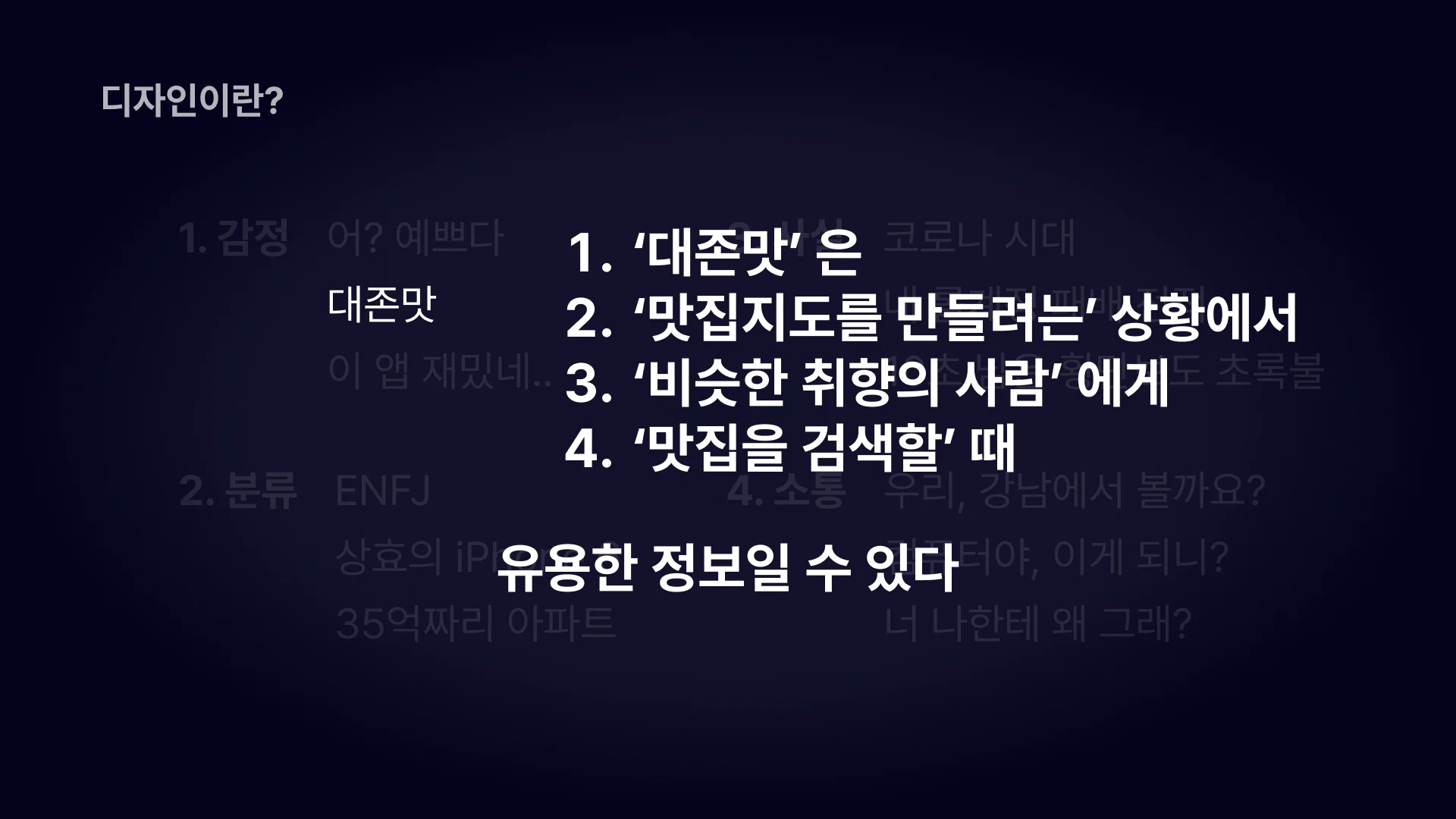
‘Daejon Taste’ / will be meaningful to ‘people with similar tastes’ / when ‘searching for good restaurants’ in situations where ‘you are trying to create a restaurant map’.
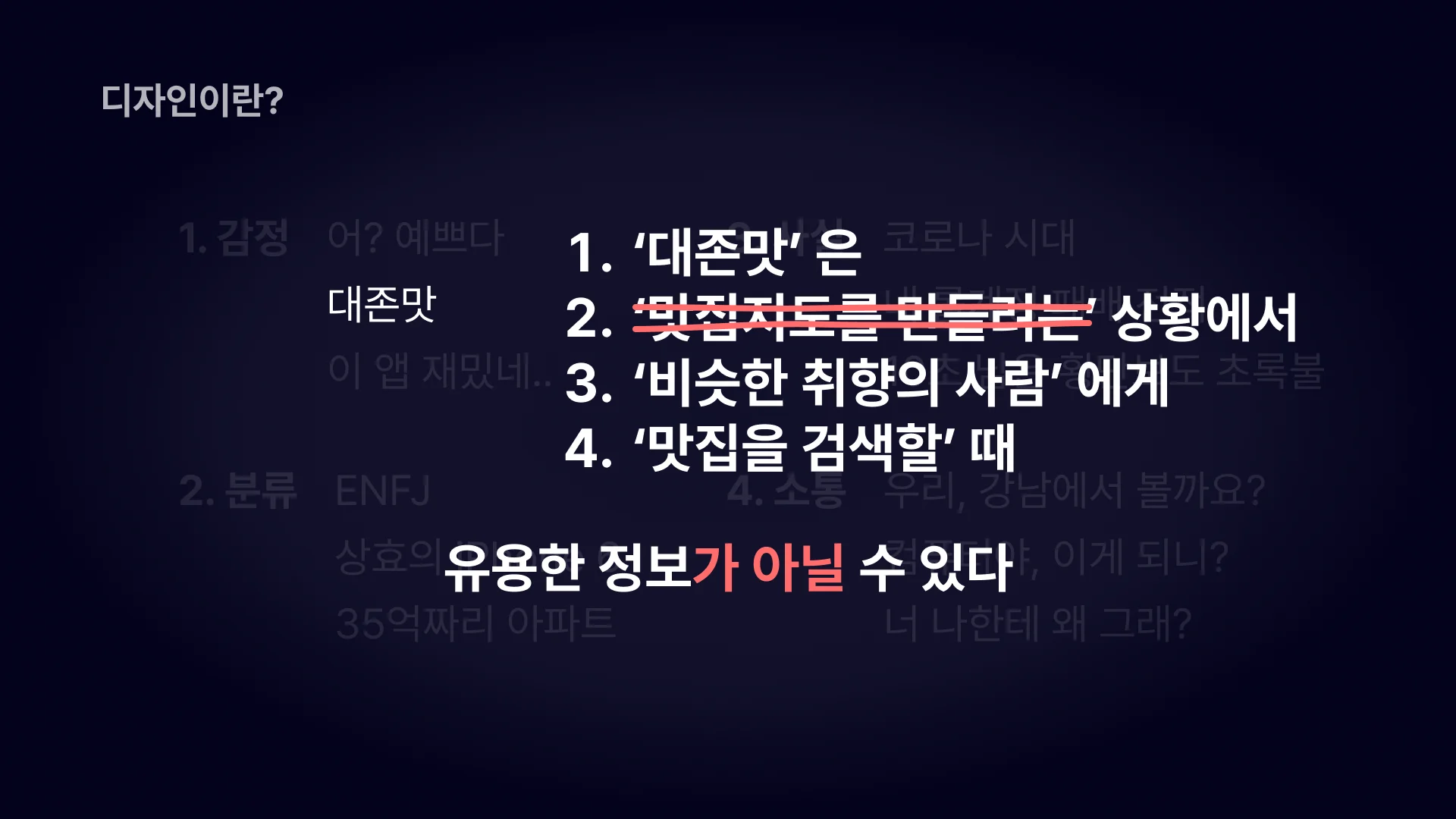
So, is the data called Daejon Flavor useful to everyone? no. Even if only one of 1~4 is changed, it may become completely useless data, or even the same data may become information that leads to completely different hypotheses and insights depending on the perspective from which it is interpreted.
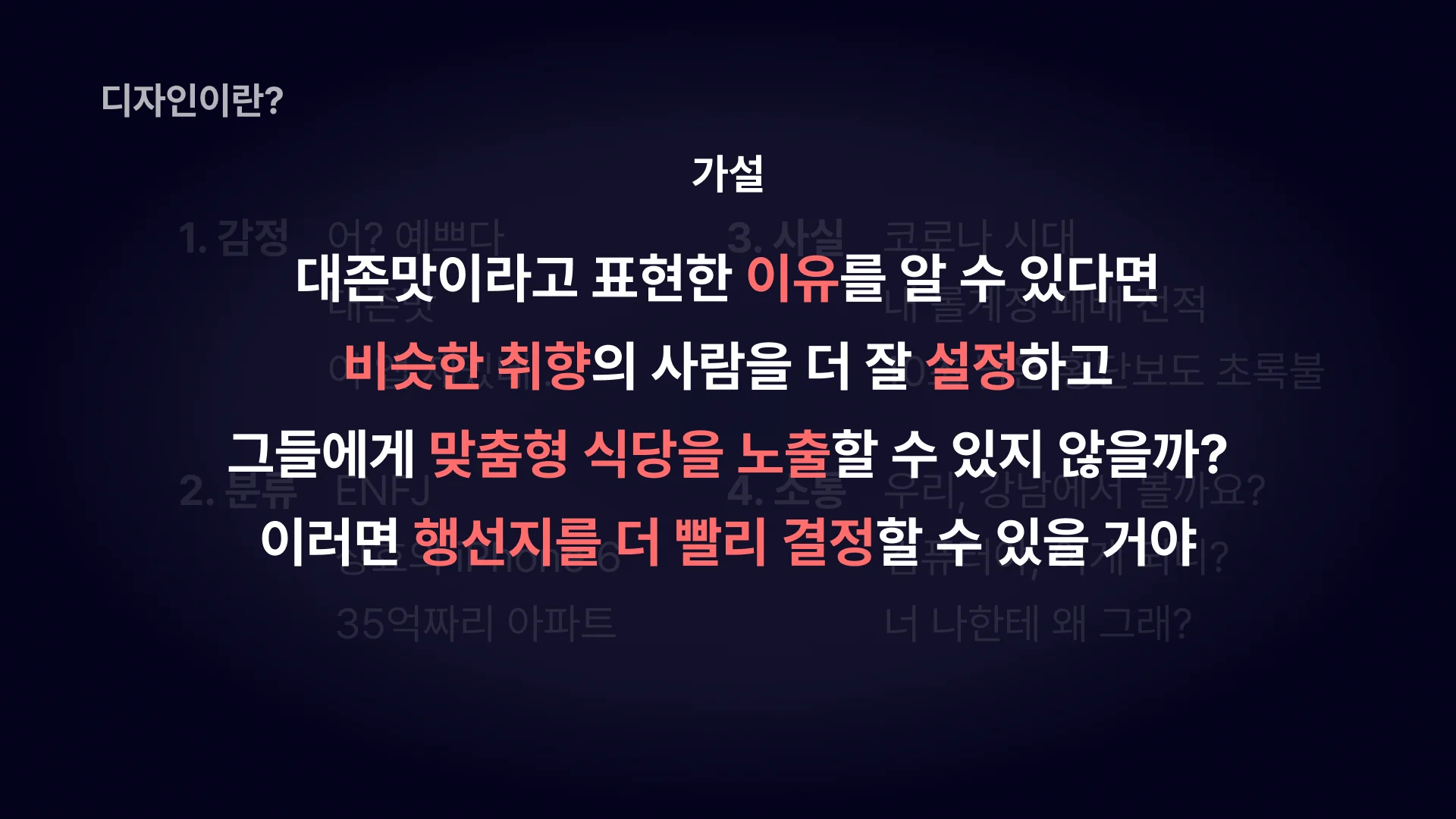
If you develop your thoughts by considering the various situations and conditions above, I think you will be able to turn the data called Daejonmat into useful information. Going further, it seems possible to derive this hypothesis based on data.
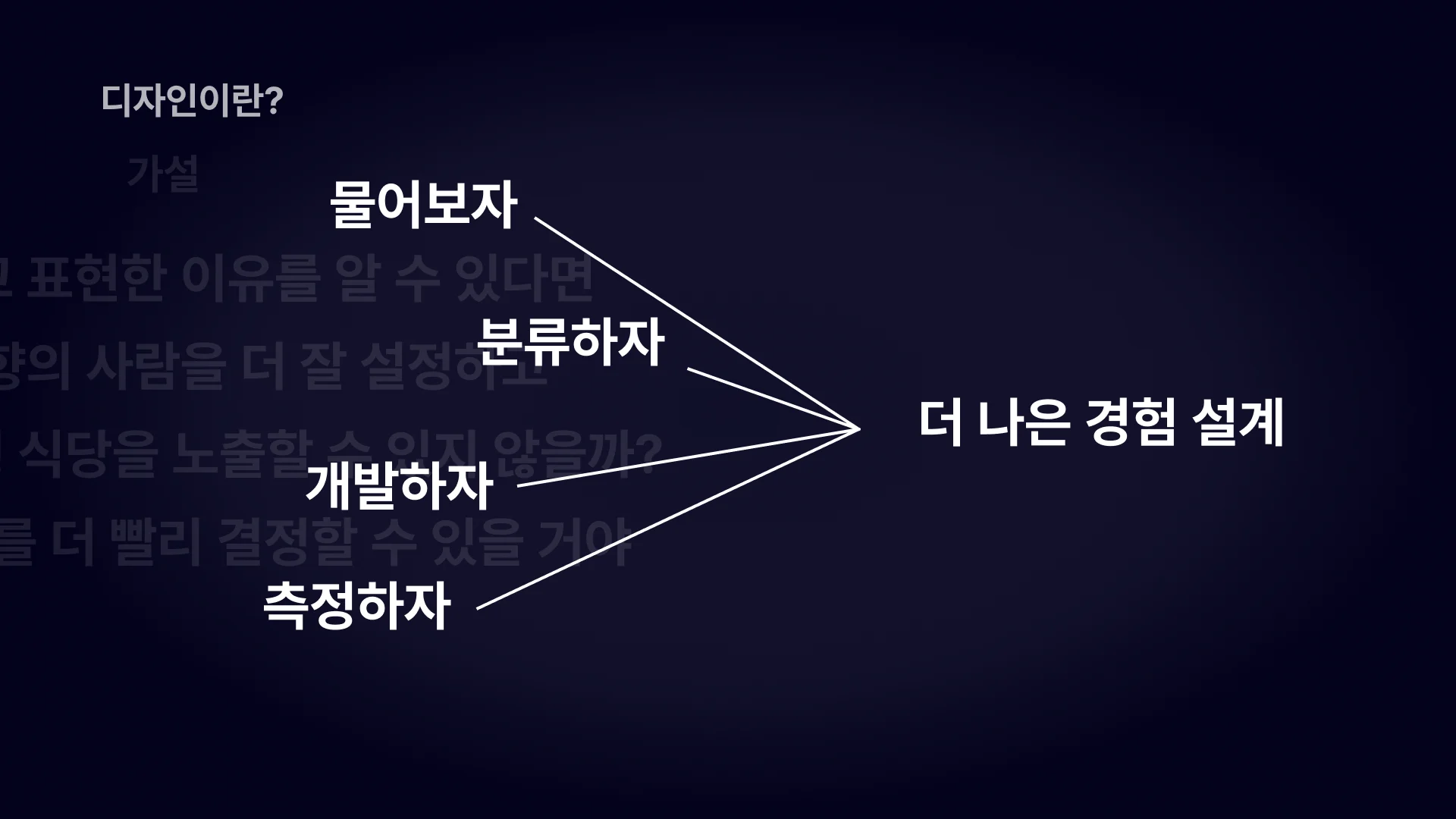
After that, I think we can think about what we can do to make this hypothesis more meaningful. If we determine that this hypothesis is a key problem to be solved, we can confirm, suggest, and measure it in various ways, considering the situation we are in. It is not yet known whether this hypothesis will be helpful to actual customers, but starting with the initial data 'Daejon Taste', we were able to derive information that seemed useful, and based on this, we were able to conduct various trials and errors. I think the initial data did its job well just by creating the momentum for this. Because through this, we can design a better future.
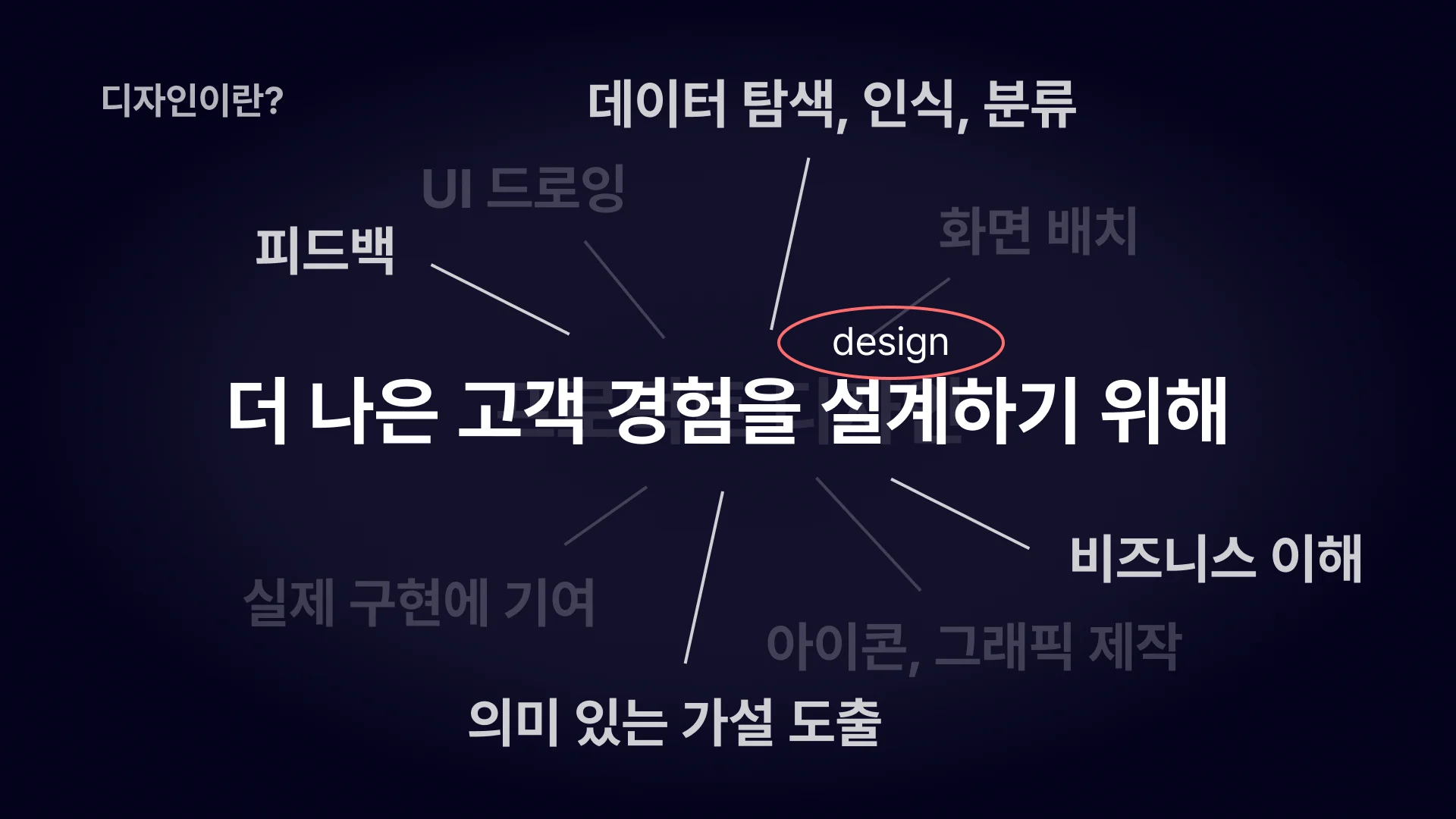
Therefore, when I design, I explore/recognize/classify these various types of data and try to derive and verify more useful hypotheses through various feedbacks. As I repeated this process, I came to think that the entire process, not just the moment of drawing the screen or graphics, was part of design, and I was able to use this to think about UI screens, user flows, etc. suitable for problem solving.
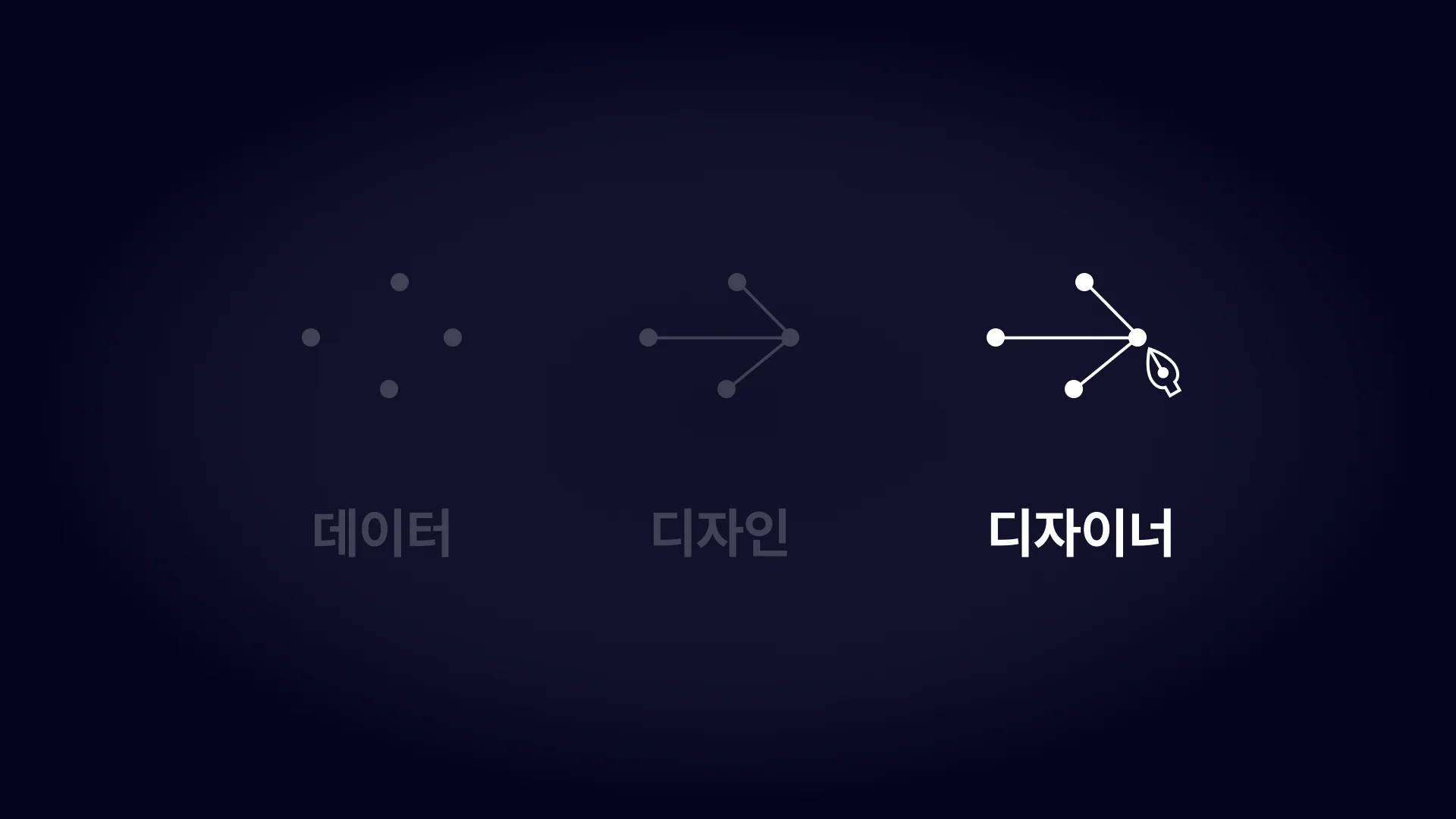
What is a designer?
After explaining the data and design, I think my vision of a designer has become clearer. Through this thought process, I came to think that a designer is ultimately ‘a person who is good at designing.’ That’s why I came to think that not only professional designers but also all people who design are designers.
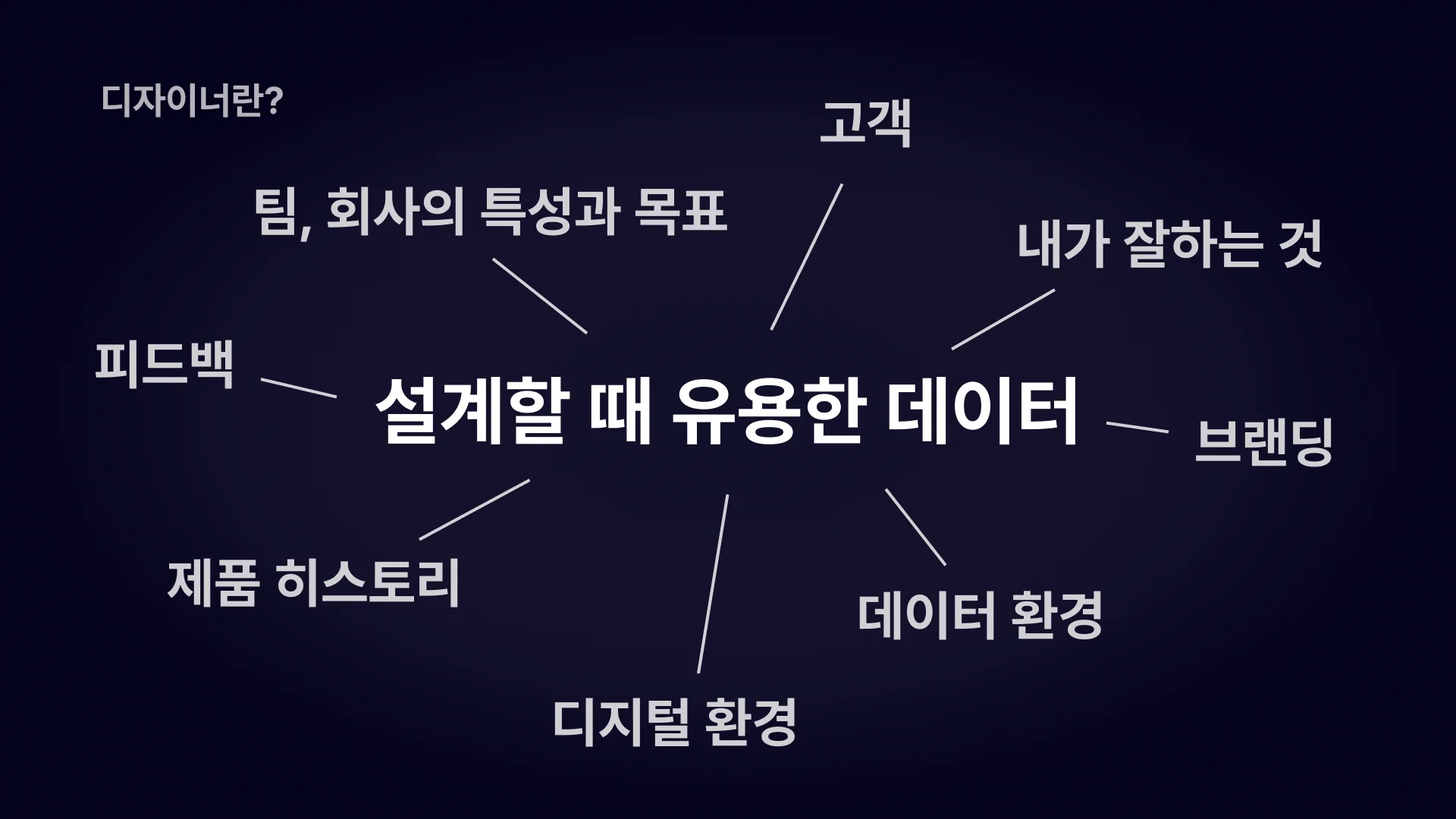
In particular, as a product designer, which is one of my current roles, I often have to specify and propose multiple designs. From this perspective, in order to design well, it was very helpful to learn about the various keywords below and use them as data.
- Customer: I felt it was very important to be curious and find out who I was designing for. This is because the process of drawing a screen or creating an object can ultimately increase its value by enabling customers to use it well.
- Characteristics and goals of the team and company: In the process of testing a hypothesis, not only the designer but also various stakeholder situations had to be taken into consideration. As a designer, I was able to make better suggestions when I knew not only my own thoughts, but also the situation and goals of the team or company, and through this, synergy was created and everyone was able to design in one direction.
- What I'm good at: It was also very important to figure out what I'm currently good at (even though it changes all the time). This is because, knowing what I am good at, I was able to quickly determine what role I should take on at a time when many people were wondering what to do to achieve their goals, and based on that, I could suggest a solution that seemed appropriate.
- Product History: If you were involved in the product from beginning to end, you might have less difficulty with the history, but it seems that there were more cases where that was not the case. There are many cases where we need to develop a product that is already in progress. In such cases, if we can obtain information about various product-related histories, we can reduce unnecessary trial and error and design effectively.
- Digital environment: As a result, digital products reach customers through screens. Knowing the digital environment is very important for my role in designing the screen. The more I know about the digital environment I am designing, the more quickly I was able to determine what structure it would be easy to create the product, what libraries were already prepared, and whether I could utilize them appropriately in the current situation.
- Data Environment: If understanding the digital environment means understanding product creation and the environment, it is also important to understand the data environment to quickly measure how hypotheses turned out in practice. If we can quickly determine which button our customers clicked at what time and in what context, we can immediately think about follow-up hypotheses based on this, and through this process, we can design a better customer experience.
- Branding: If you know what kind of impression the result or product is actually trying to convey to customers, what kind of image you want to approach in the future, and what strategy you are implementing to achieve this, you will be able to reflect this in the product. So, I came to believe that better design could be achieved through efforts to understand branding.
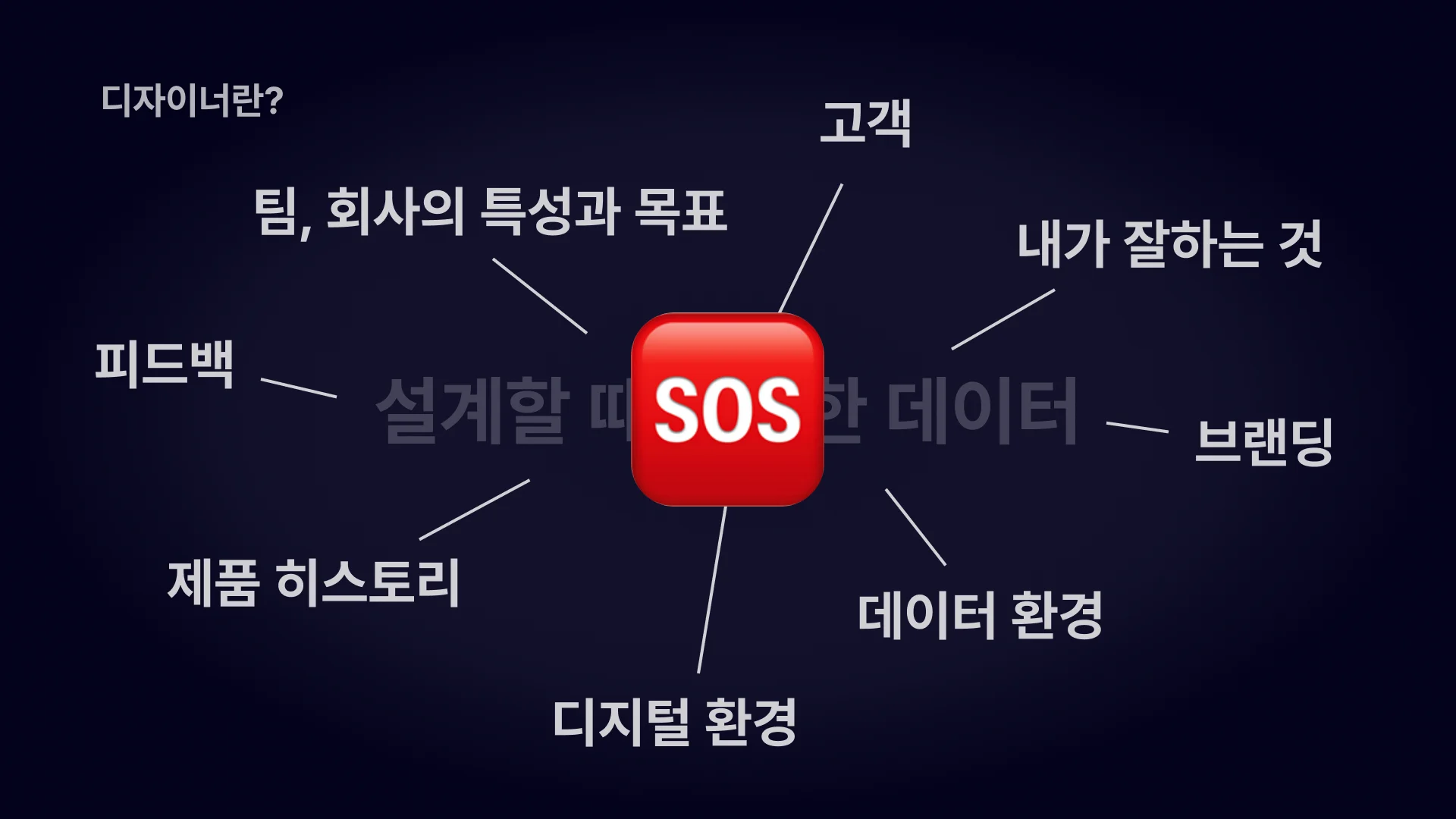
Even though I only explained it briefly, it seems like there are a lot of things to consider for a better design. But can one designer do it all well? It will probably be difficult (in fact, it is very difficult for me). It is inefficient and difficult to realize all the data and create all the screens from start to finish by yourself. Moreover, the situation varies from company to company, team to team, and individual to individual.
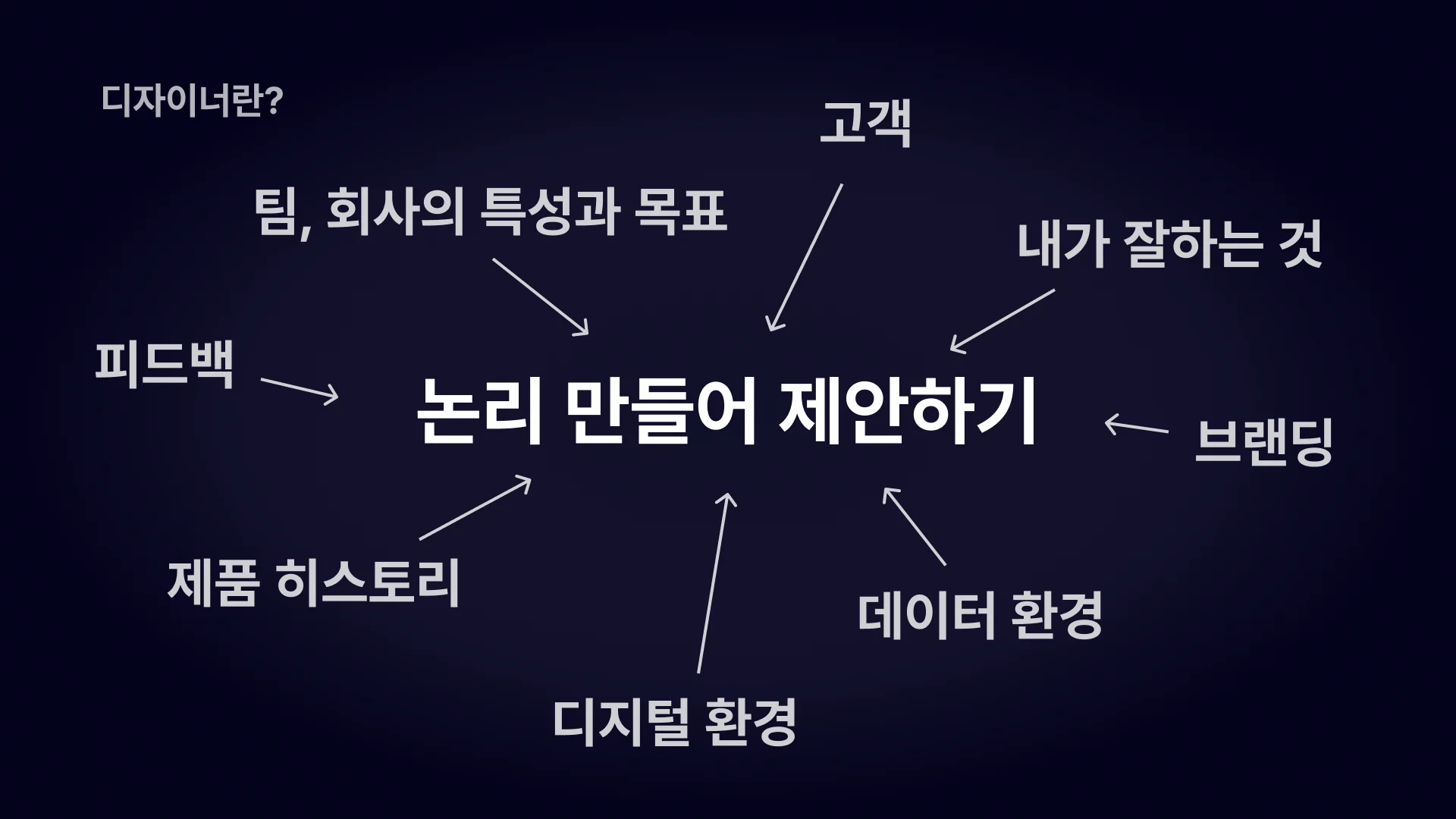
In this situation, in order to persuasively suggest ‘what if like this?’ as a designer at the right time, it seems important to understand the various situations above and connect them to create logic. If necessary, I actively receive help from people around me! Personally, I think I received a lot of help from my data team colleagues. When I effectively obtained more information through help and made logic and suggestions based on the information I obtained, I think I was able to take a step closer to better design.
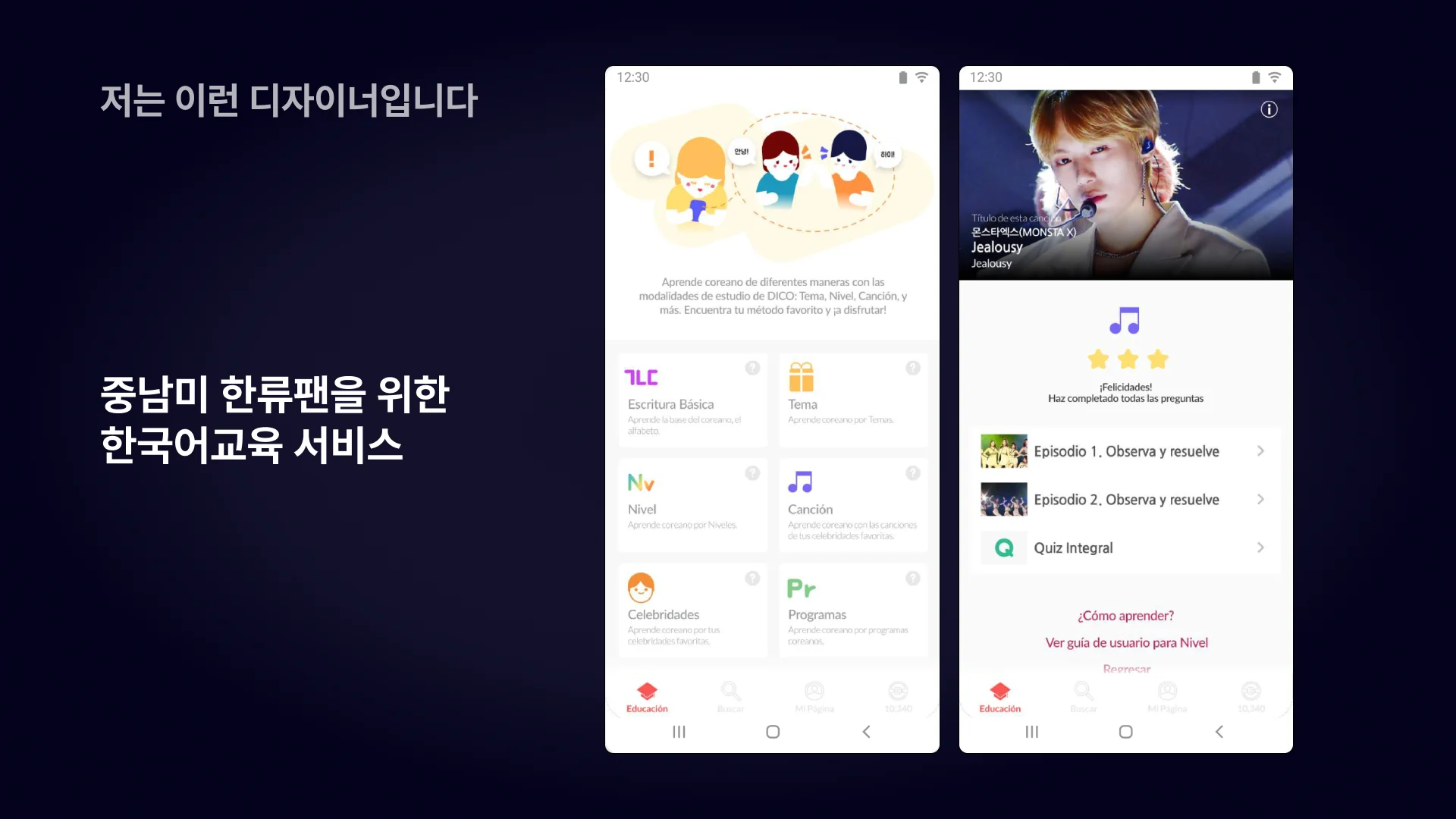
My first career was starting a business. I created a Korean language education service for Korean Wave fans in Central and South America, but I didn't start with UI design from the beginning. At first, we created self-produced content such as online lectures and YouTube, and my role was to design the motion, branding, and graphics needed for this. However, after intense discussions, we decided to provide the new service in app/web form, and this was the beginning of my UI design.
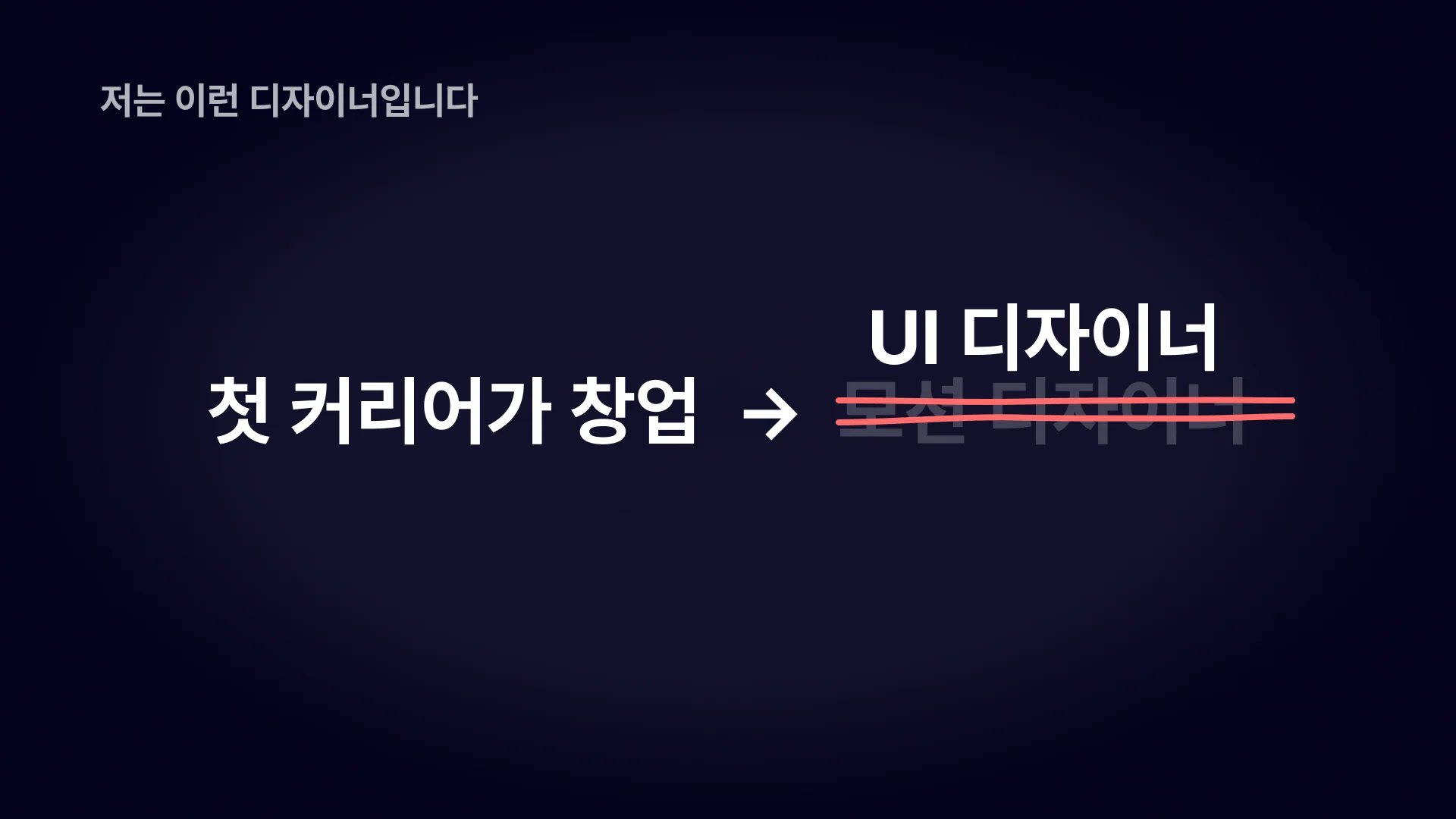
But when I actually tried to create the UI, it was very different from the days when I designed it as I wanted(?). I knew almost nothing about digital and development environments, and as the only designer in the company, I had no supervisor.
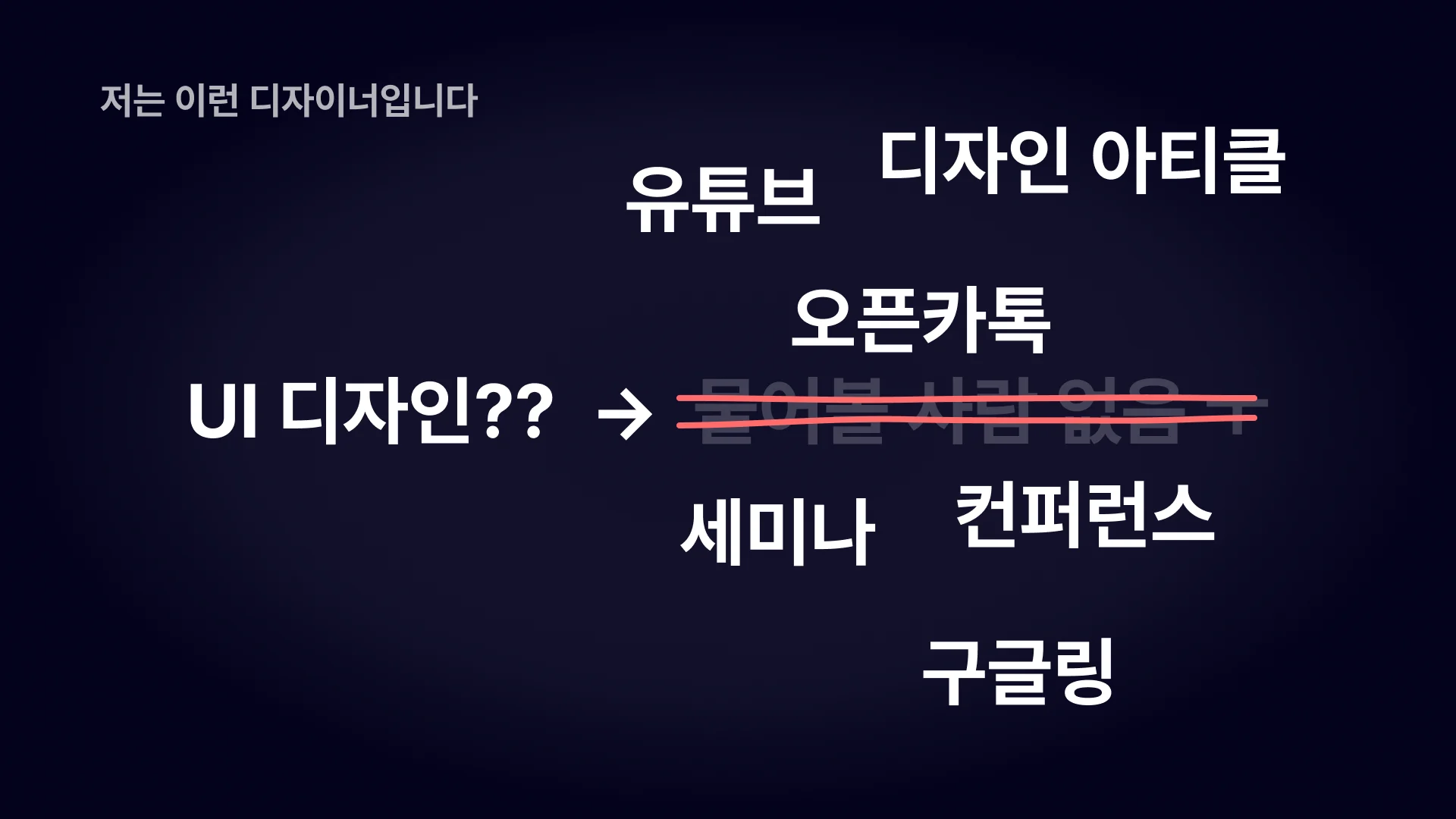
In this situation, I think I went around asking questions in various ways that I could. I participated in various seminars, conferences, and open KakaoTalk rooms, and often read related articles. Fortunately, it was a time when information about the digital environment and related tools were developing rapidly, and although there were many trials and errors, we were able to launch and develop the service. And I think the experience of identifying what I lacked and trying to fill it in various ways was a great asset in my later career.
Let me share some of the things I tried.
**Create your own data (YODA = Your Own Data Access)
**
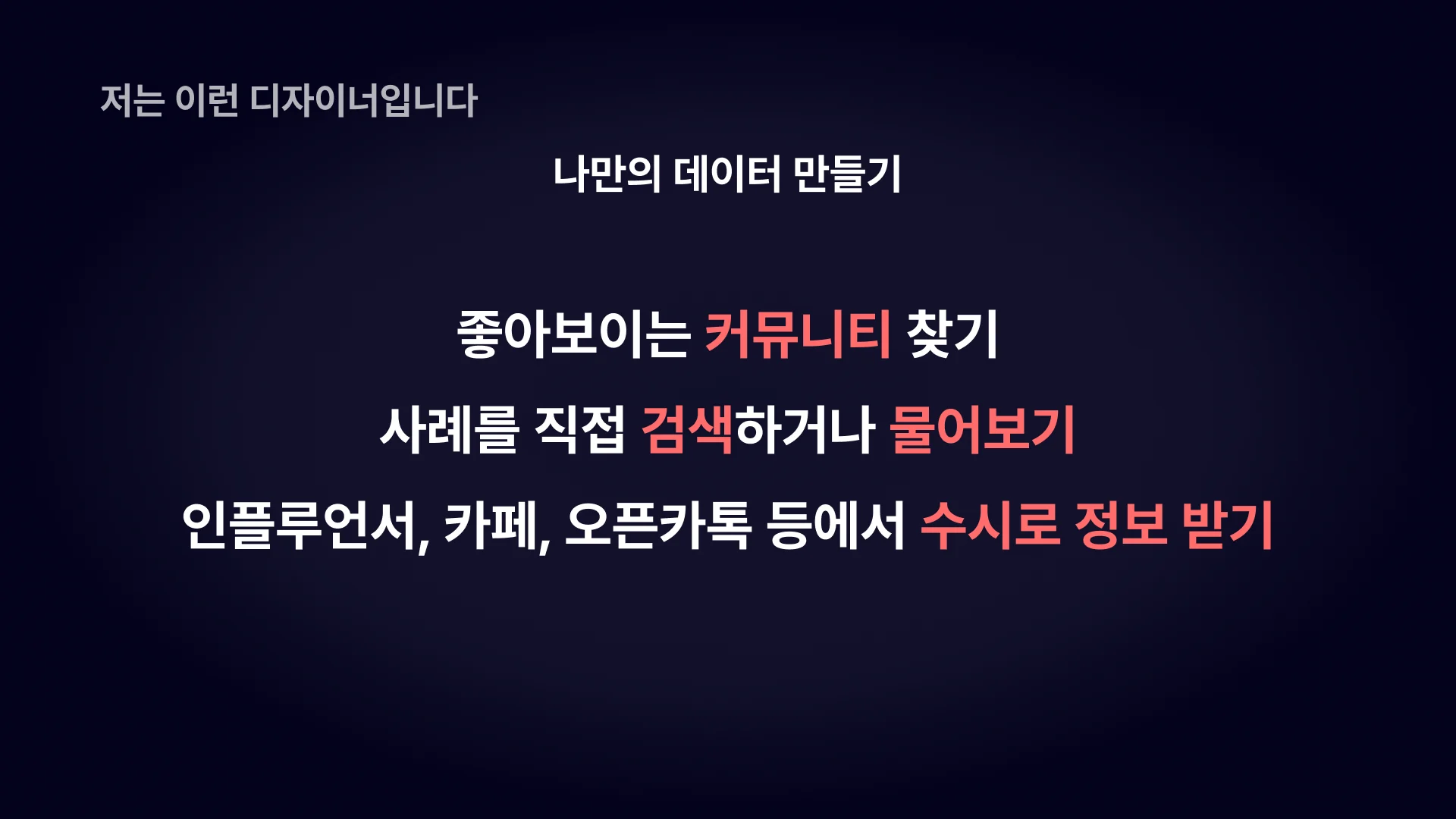
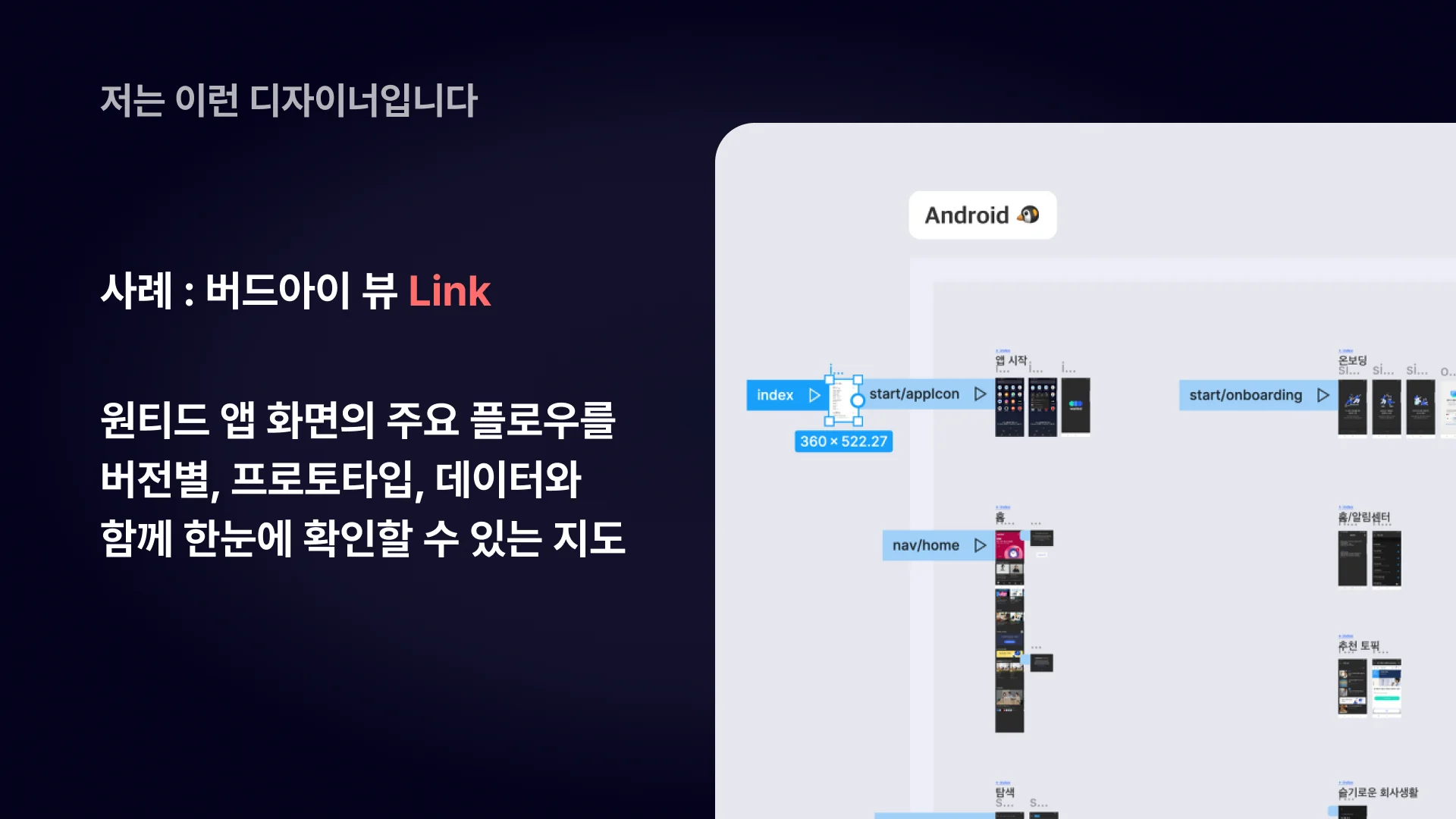
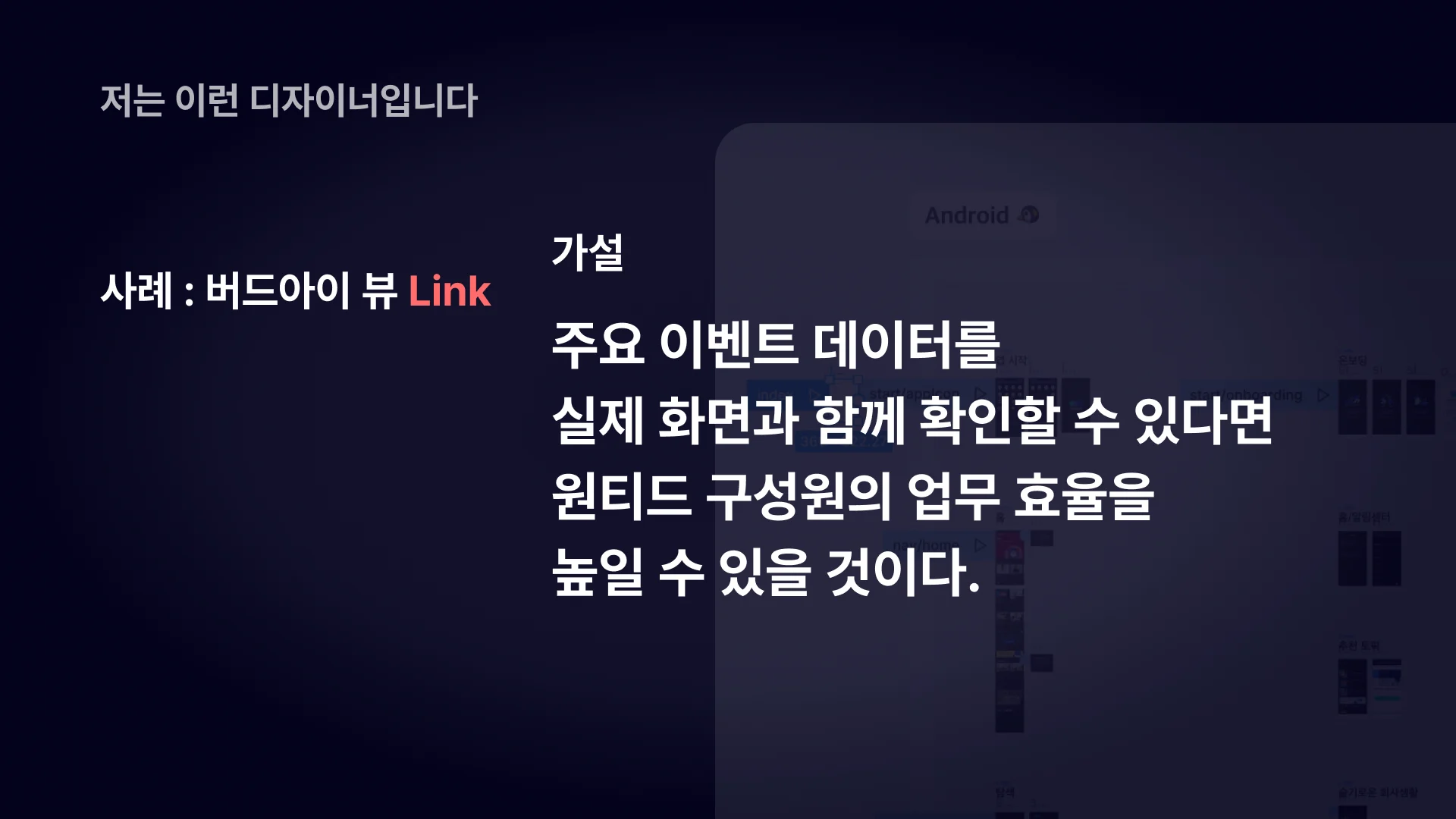
**Case: Bird's Eye View **Link
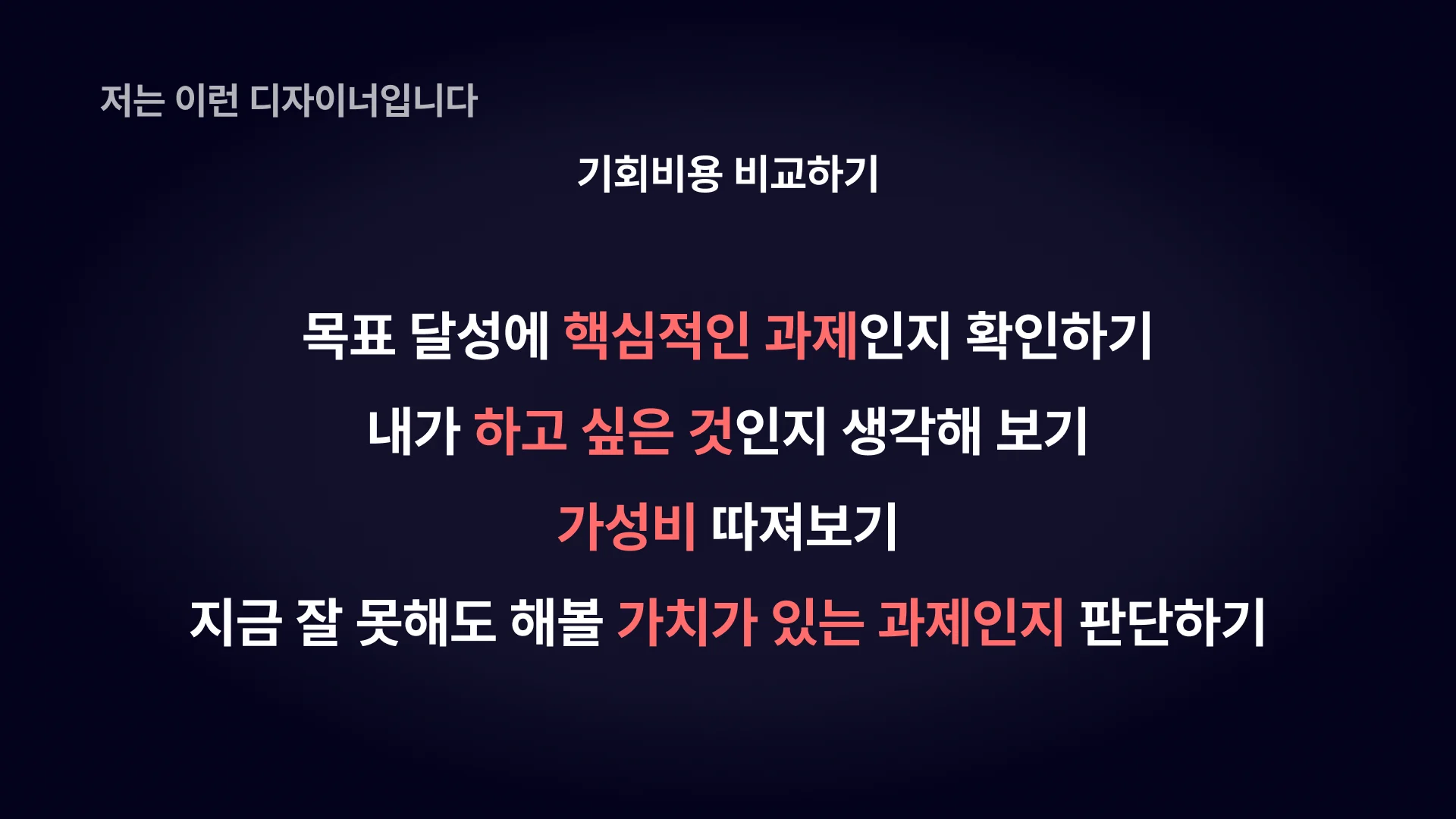
Compare opportunity cost
Actively share